Algae and Tufa, will you be more successful than me? 5min 46sec (looped), (2019–2025) [please listen with headphones]
Algae and Tufa, will you be more successful than me? (2019–2025) is an immersive film and sound installation. Its projected, circular image is both planetary and microscopic – a macrocosmic event and a miasmic, microcosmic vision exposing layers of environmental damage at local sites of historic fossil carbon industry. Proposed as ‘remote witnessing technology’, …will you be?… transcribes the material conditions of site into tainted atmospheres and describes both toxicity and resilience across more-than-human communities.
Created from a reworking of art-based field data gathered along a stretch of urban coastline in Devon SW UK, …will you be?… is produced from a close survey of the limestone walls of a popular beach access foot tunnel. The tunnel goes under a railway line and connects a small, ornamental gardens planted on a former gasworks site, to a slipway that leads down to the beach. Until it was decommissioned in 1969, the gasworks used coal, brought in by rail, in a process of gasification to extract what was called coal gas and town gas.
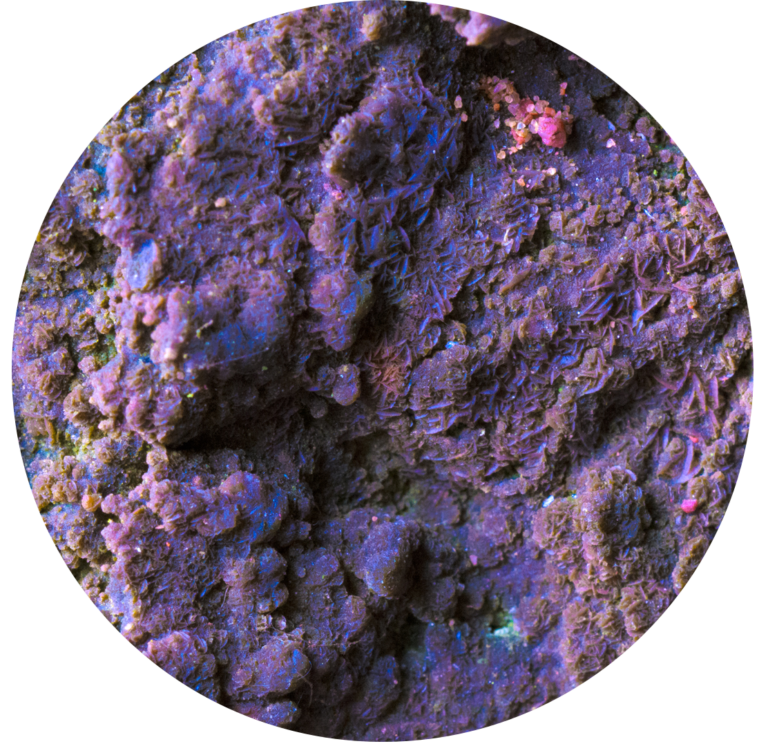
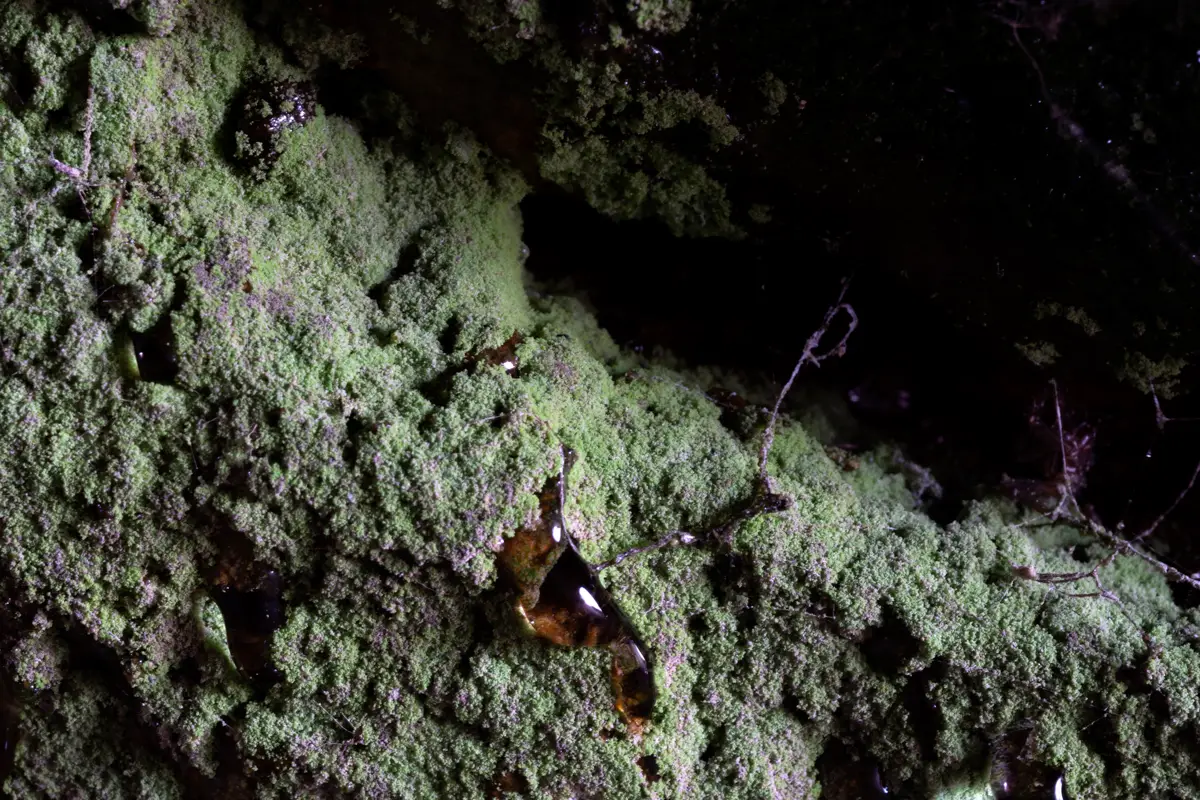
Algae and Tufa, will you be more successful than me? (2019-2025), digital film still
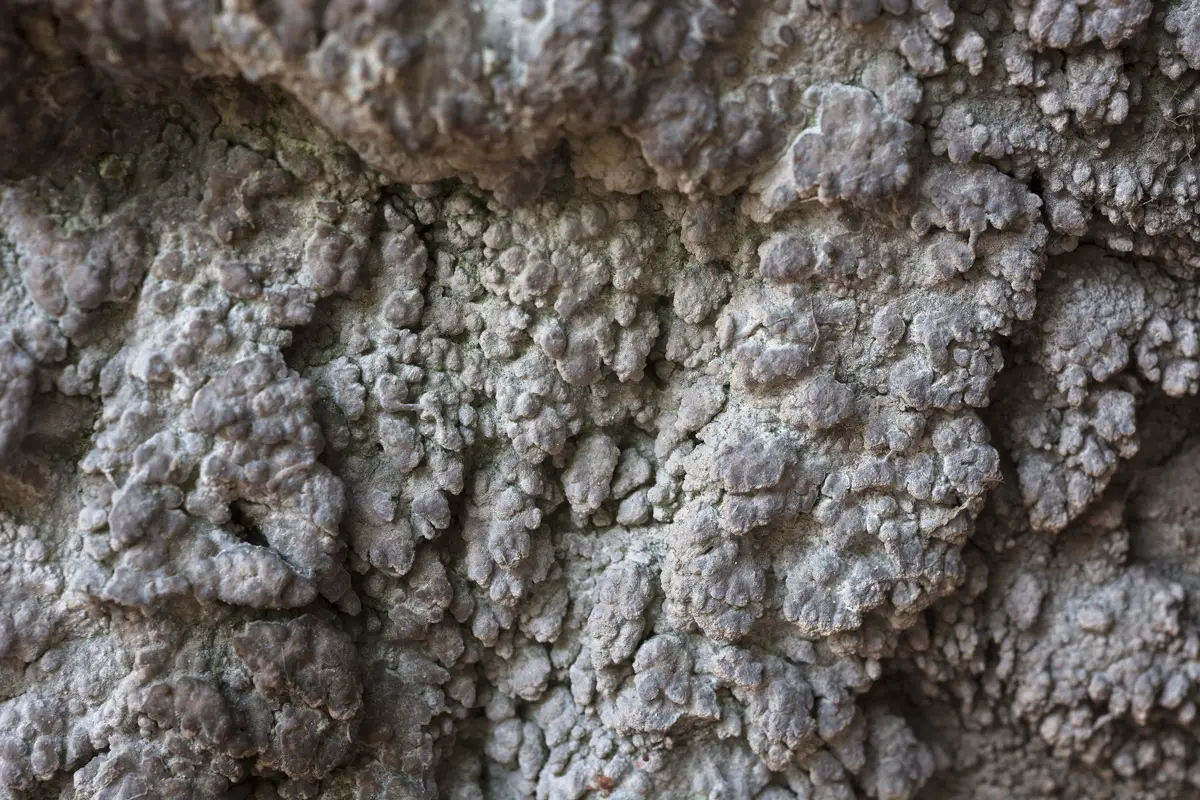
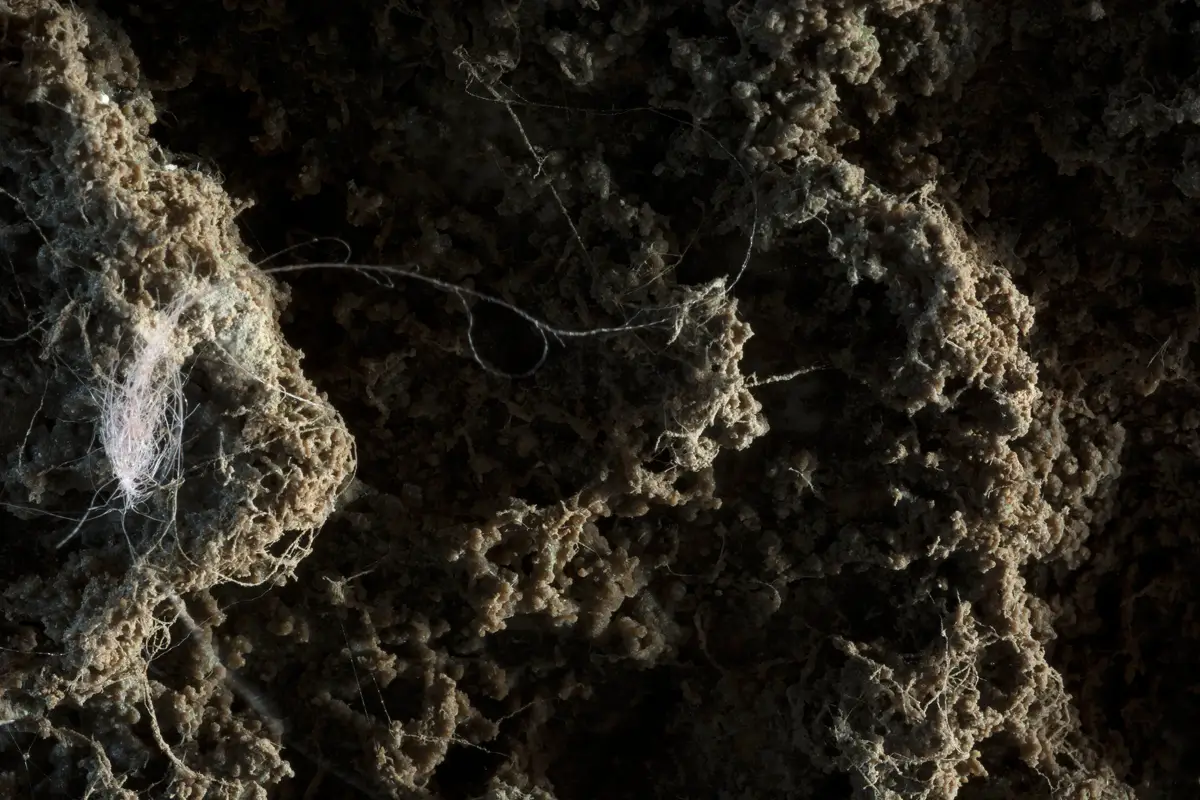
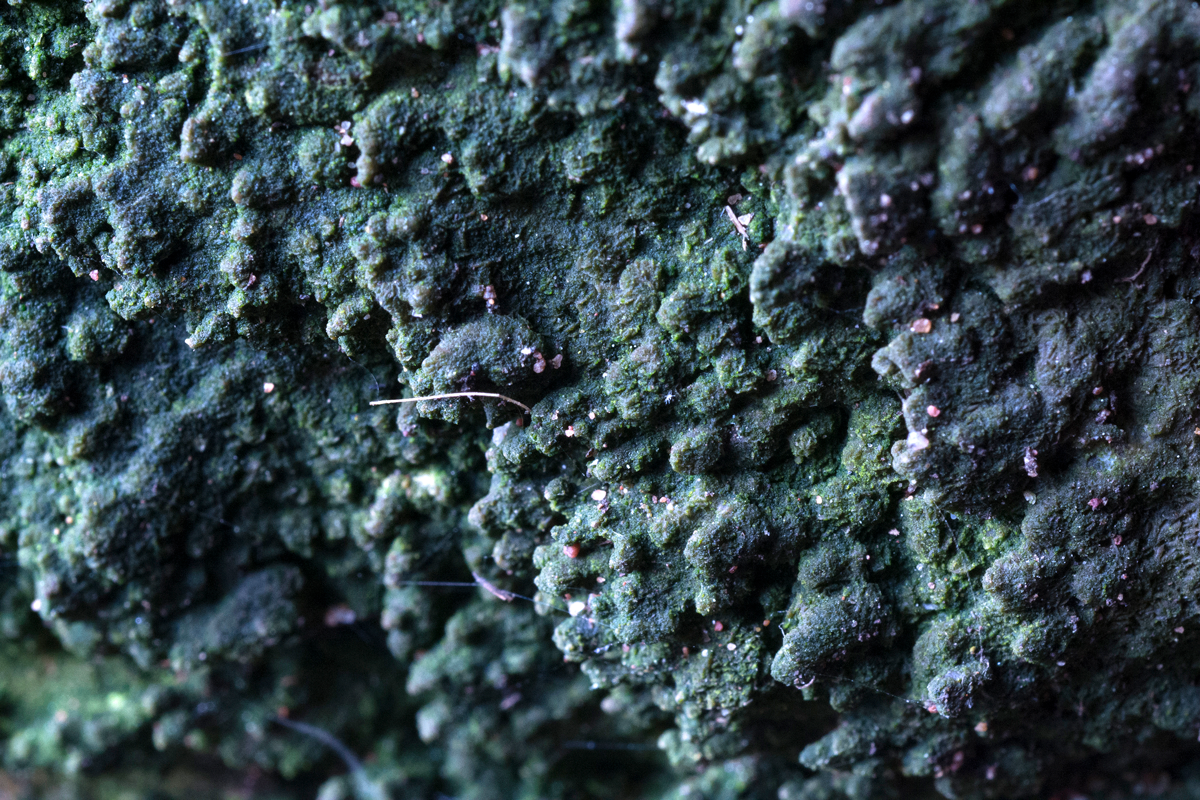
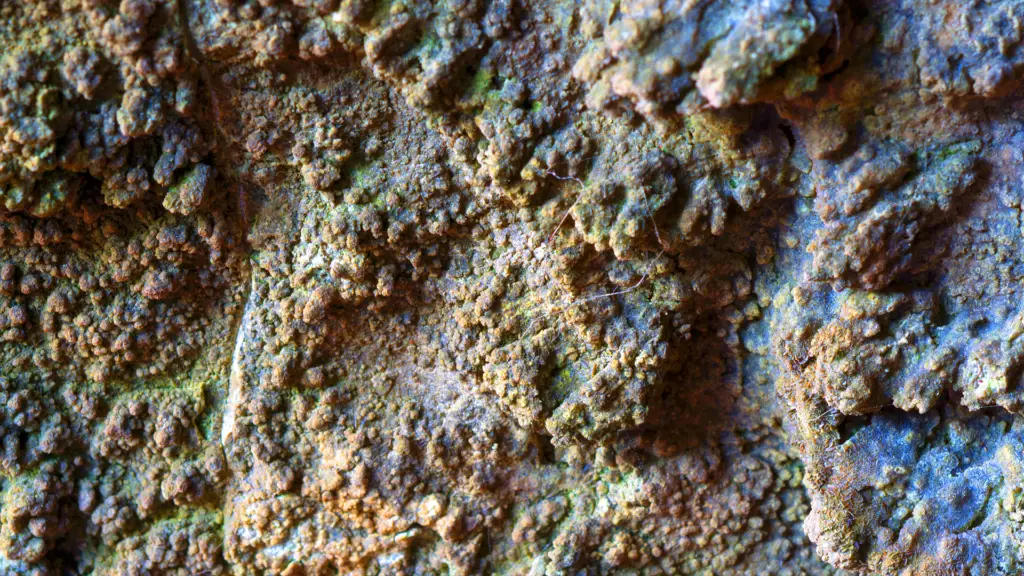
The surfaces of the Tunnel are a construction of blocks of pinkish limestone which are encrusted with deposits of tufa. Tufa forms when rainwater seeps through and dissolves minerals from the limestone. The dripping water releases carbon dioxide into the air, and the minerals are gently redeposited as soft, chalky rock.
The natural colour of formations of calcite tufa is white,
but here it has also been stained grey by pollution from the railway, road and old gasworks
and brown from iron oxide/hydroxide, also from the railway.
In places there is a delicate film of green algae.
After coal gasification sites are decommissioned, the ground remains polluted with toxins including cyanide, arsenic and benzo(A)pyrene (highly carcinogenic and mutagenic), all by-products of coal gas extraction. Heavy contamination seeps into waterways, while toxin-carrying dust from disturbed ground can be carried for up to 3km.
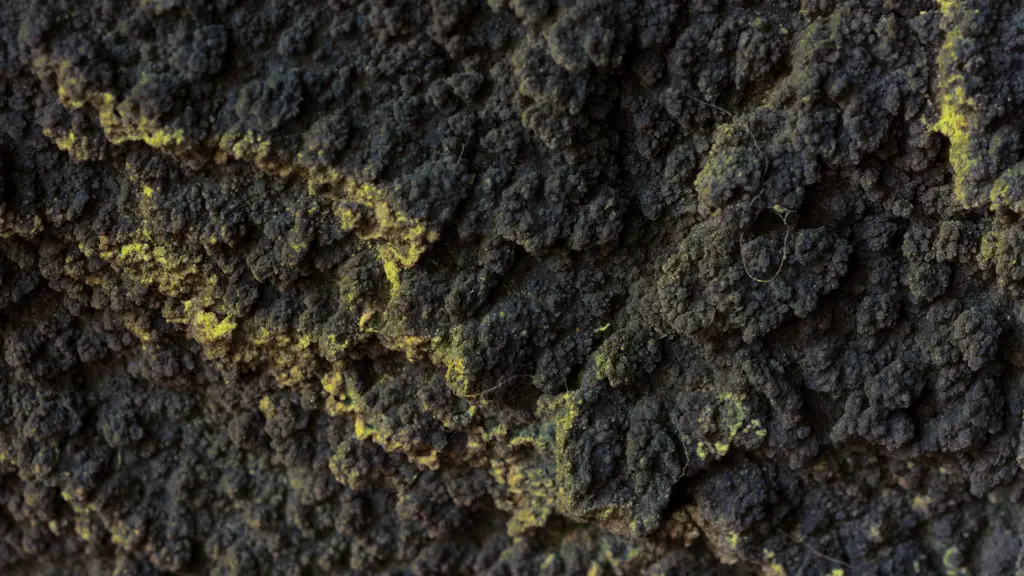
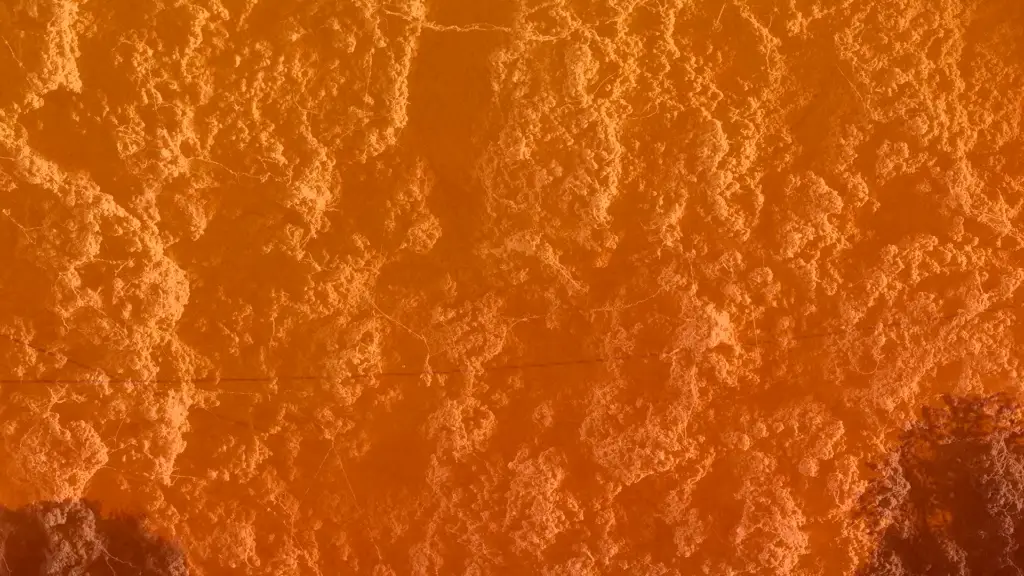
In …will you be?… the colour casts in the animation correspond to these different toxicities.
Cyanide, first isolated during the process of making the pigment Prussian Blue by chemist Carl Wilhelm Scheele in 1782, takes its name from the Greek kyanos (κύανος), or deep blue. In flecks and traces and in large, vivid blue, foul-smelling deposits, cyanide remains in the ground where it was dumped, at hundreds of sites up and down the UK that produced gas from coal. Cyanide, a by product of the coal-gas industry which provided heating and light until the early 1970s, is a contaminant at decommissioned gasworks sites reclaimed for redevelopment, including housing, on land that is either never-remediated, or inadequately remediated (in accordance with current UK regulation).
sulphur of arsenic is yellow
while dust and events which bring it into view fill the atmosphere with fine particulates that scatter sunlight making red and orange wavelengths more visible
as a remote sensing device, Algae and Tufa, will you be more successful than me? is mode of witness, bringing an attentiveness to those whose voices are never heard. The notion of “becoming witness” resonates throughout this work as a form of response that transcends rational deliberation, and is shaped by encounter, recognition, and ongoing curiosity.